History

Before Dawn
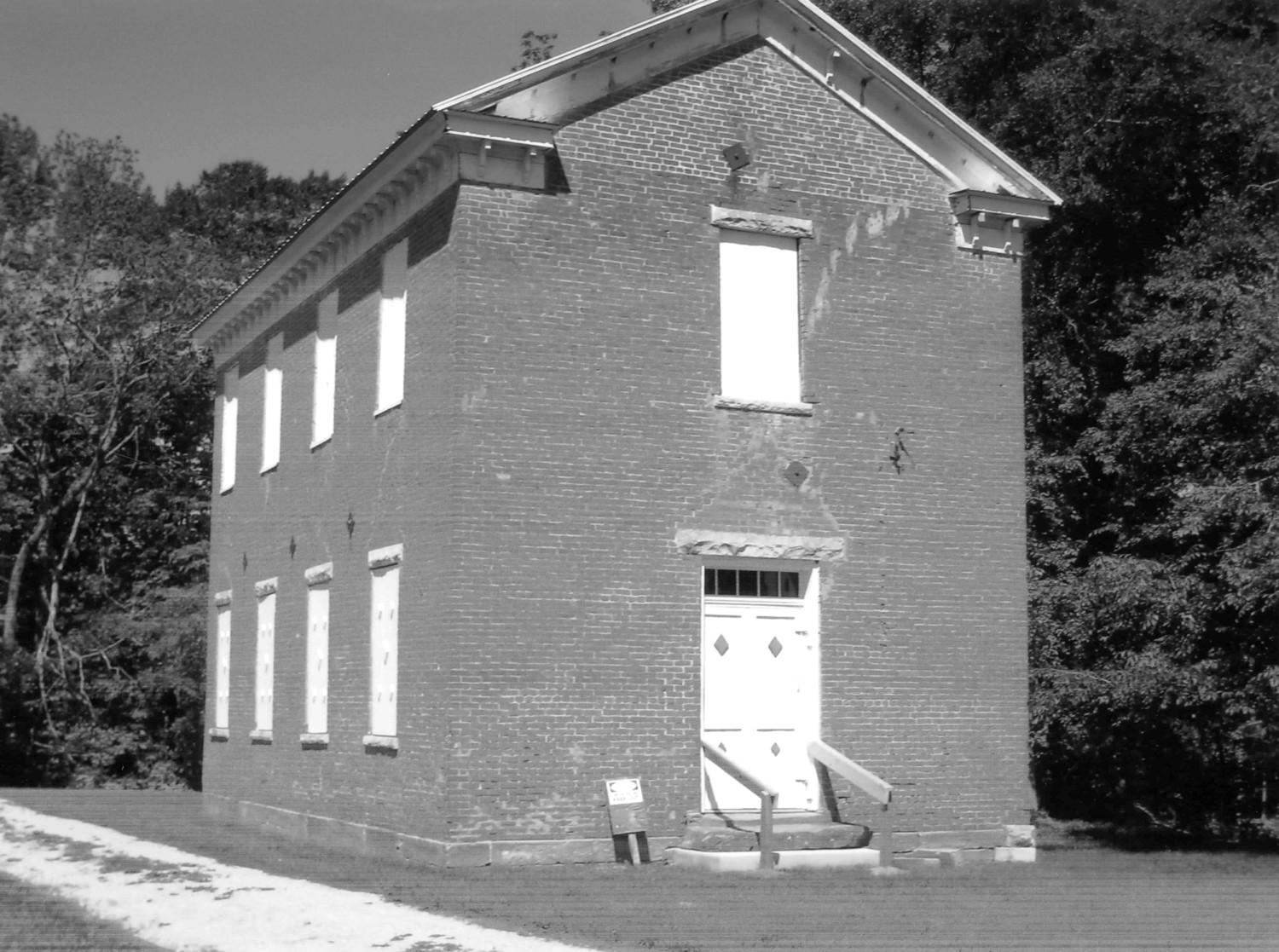
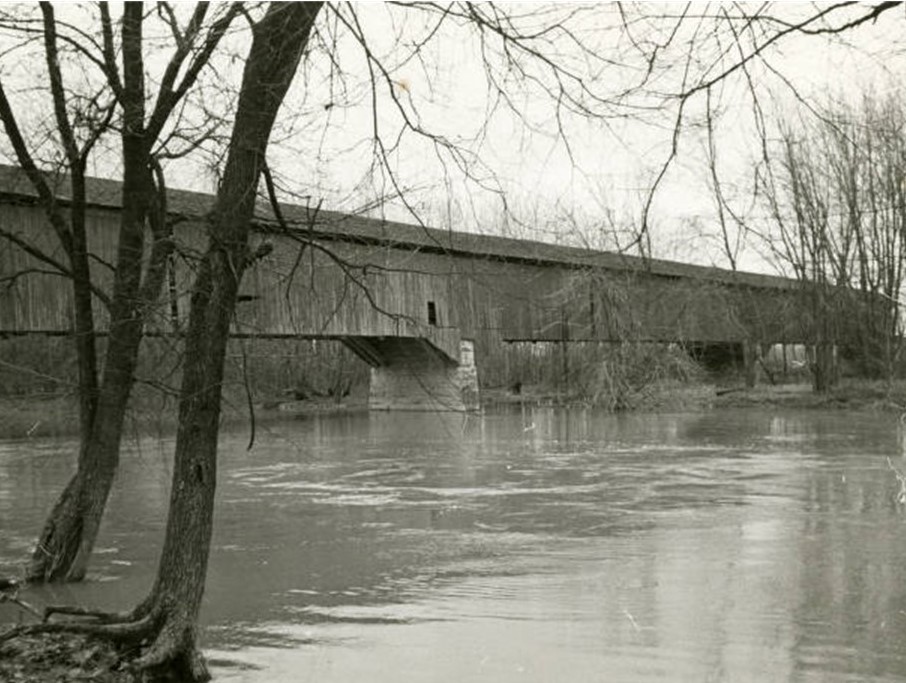
By the time in 1879 when farmer John Wesley Heller fired the bricks on site to build his home south of Brownstown, the Carr High School had been in operation over 20 years and the Medora Covered Bridge was in its fourth year of service across the White River. Heller and Samuel Durham had bought from brickmaker Charles Lawhead two years earlier.
Heller later stopped producing brick in favor of taking part ownership in Jonathan Robertson's Brownstown Brick and Tile Company at a new location along the rail line north of what is now Ewing. They had plenty of brick on hand when, in 1903, several Medora business men considered starting a plant to join the lucrative brick making industry themselves.

Sunrise and The Early Years
In July 1904 the Medora Shale Brick Company was incorporated by area residents George W. Zollman, Cornelius V. Trautman, and Josiah L. Hunsaker with $30,000 in capital.
The plant site was surrounded by hills containing a ready supply of material for brick production. The Indiana State Geologist, at the time, said samples of shale nearby were very good.
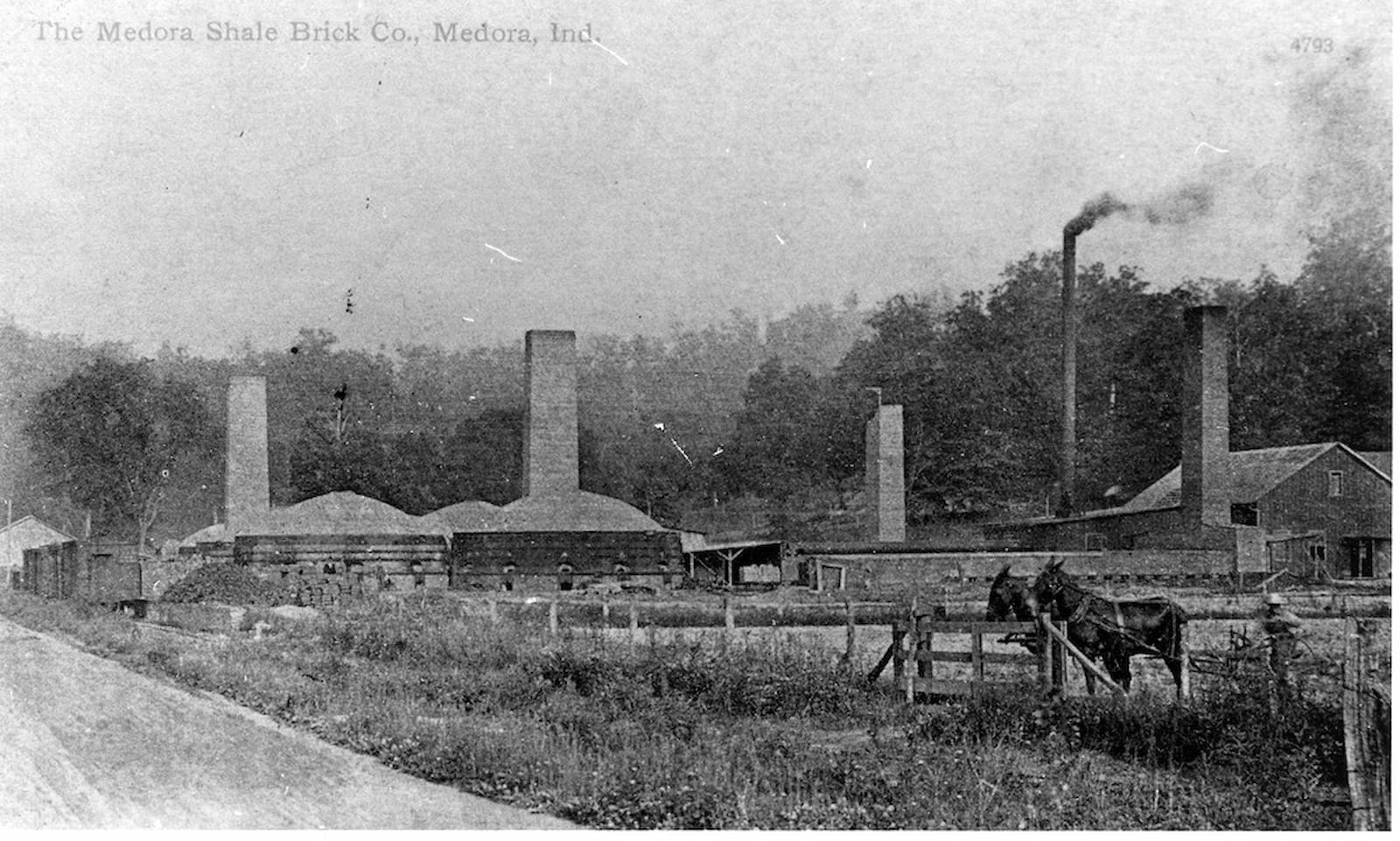
Under General Manager Thornton Heller, John Wesley Heller's son, initial components of the plant began in earnest in September 1908 on the farm site of John Miller Hinderlider at the rail and road crossing a mile and a half southwest of Medora. The first bricks were fired in March of 1909 and were of the kind for residences and other buildings. Production soon leaned toward supplying the national boom in street paving which required the highest strength of brick. Street pavers were first turned out at the plant in September 1909 according The Tribune in Seymour. The town of Medora had been booming, going from a population of 553 in 1900 to 872 by 1910.
Early Success & Acclaim
While there was excitement about Medora Shale Brick Company forming, over in Brownstown, 10 miles east, Robertson's and Heller's renamed company - now called Jackson Brick and Hollow Ware Co. - had two kilns, and perhaps in response to Medora's success, added two more in 1910. Thornton Heller was the Medora plant manager and held the same position at the Jackson company while serving as its corporate secretary. Thornton Heller moved from Medora town into a new house near the Medora plant in 1911.
Ownership Change & Product Change
April 18,1923 a Jackson County Banner article headlined "Plant to be Leased to Brownstown People for the Manufacture of Building Brick". The article stated that the 9-kiln plant had not been in operation for several years. Other sources said it was bought at auction. In short, both plants were now owned by the same interests.
The article went on to state that Medora business was renamed The Medora Brick Company with J.M. Robertson, president and treasurer and Thornton
Heller as secretary and general manager - both men being principal stockholders of the Jackson Brick and Hollow Ware Co. of Brownstown. W.H. Shoemaker, of Indianapolis, was designated as the sales manager. The plant went into full operation immediately including adding a new stack.
Thereafter the Medora plant concentrated on wall "common" brick for interior walls and face brick for finer looking exteriors while the Brownstown plant focused on drain tile ('hollow ware' of various sizes).
Great Depression & War Times
From the start of the Depression in late 1929 on through to the beginning of World War II in 1941 until it's end in 1945, Medora and Brownstown plants were running only on short orders for brick and hollow ware products or not at all. The Medora Plant was closed for a year beginning in 1932 for example. Men fell back on farm work and other jobs they could find.
From the late 1930's material was no longer excavated from the hills surrounding the plant but rather at sites along the highway going north out of Medora. These can still be seen today though somewhat covered by plant and tree growth.
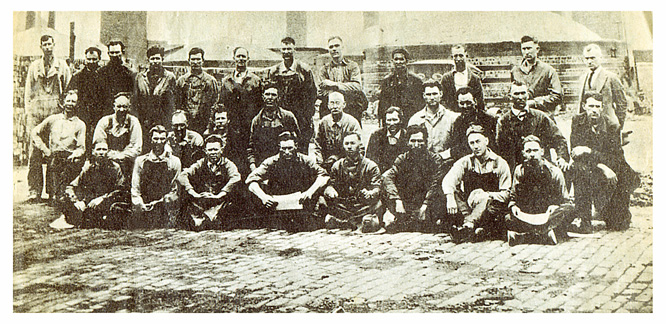
A December holiday dinner was held in 1940 for members of the Clay Worker's Union of the Medora Brick Plant - 40 attended. Plant founder Thornton Heller died at the start of the war, Joe Robertson lead the way as president of the company..
The plant closed in the spring of 1942 and remained closed until the spring of 1946 due to wartime conditions.
Post War Boom
Joe Robertosn died in 1944. Heller's son, James "Jim" Heller, who had served at Camp Atterbury 50 miles north of Medora returned home quickly as the war ended in the fall of 1945 and assumed management of both plants, first gathering 15 men to recondition, repair, and improve the Medora plant. Within six weeks the first batch of brick was produced. During the period, Jim Heller's watchful eye and business acumen boosted business.
During the 1970s with PVC (plastic) pipe taking over the drain tile market, the Jackson Brick & Hollow Ware Co. closed and Medora took over their assets. Kind of "turnabout", given that the Brownstown company had taken over the Medora plant in 1923 when their street paver business had dried up.
In 1988 the Medora plant was producing 14 million bricks a year with a 45 man staff. The plant continued to operate as it usually had - between nine and ten months out of the year - dormant during the coldest months, January to March.
The industry averages in the 1960’s to 1990’s was that brick plants produced about 60% of their brick for architects (commercial buildings) and 40% for residences. Medora’s percentage through those years was 50 -50 according to Superintendent Bernard Gray.
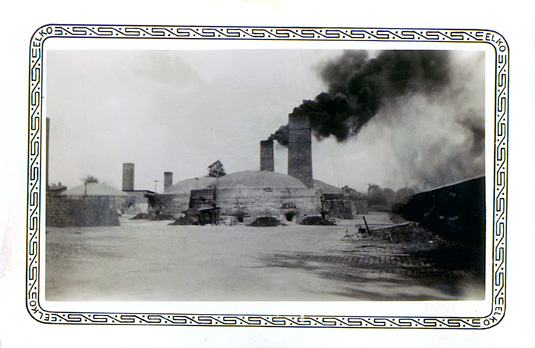
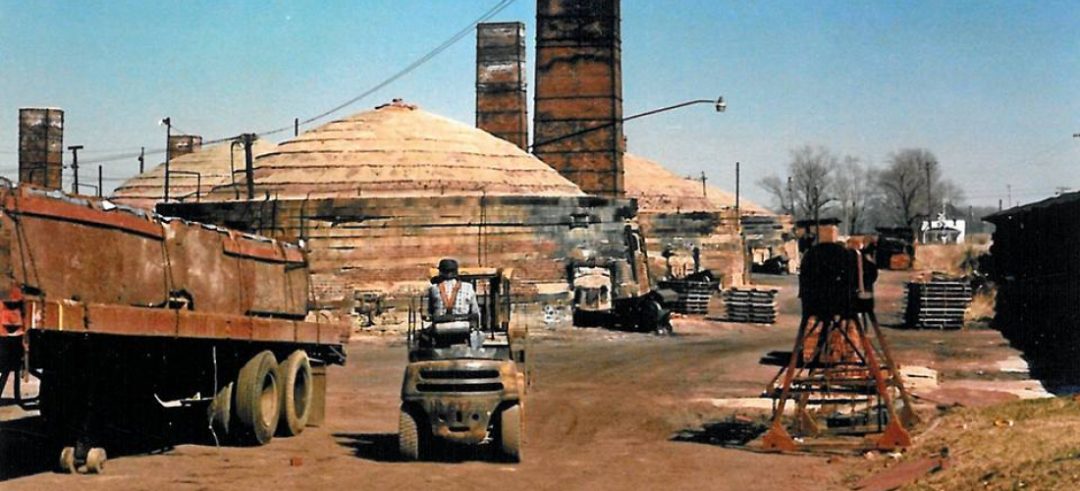
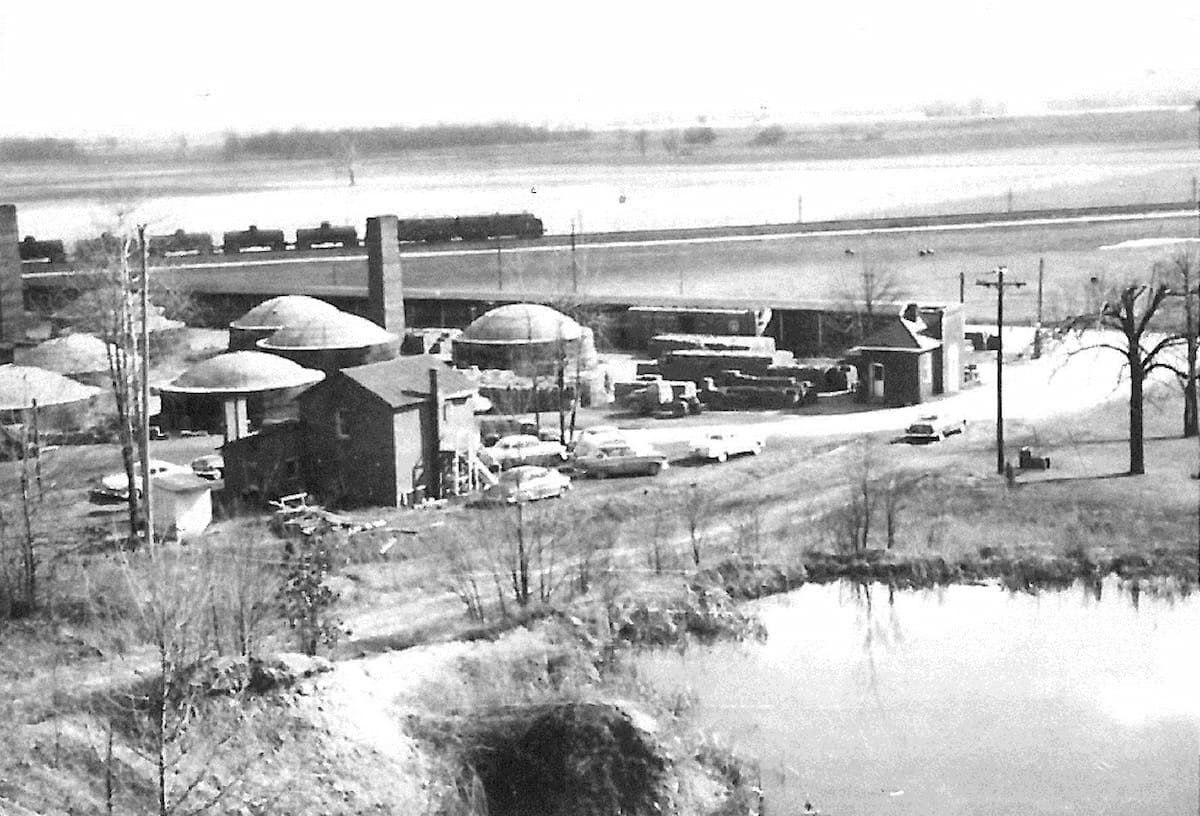
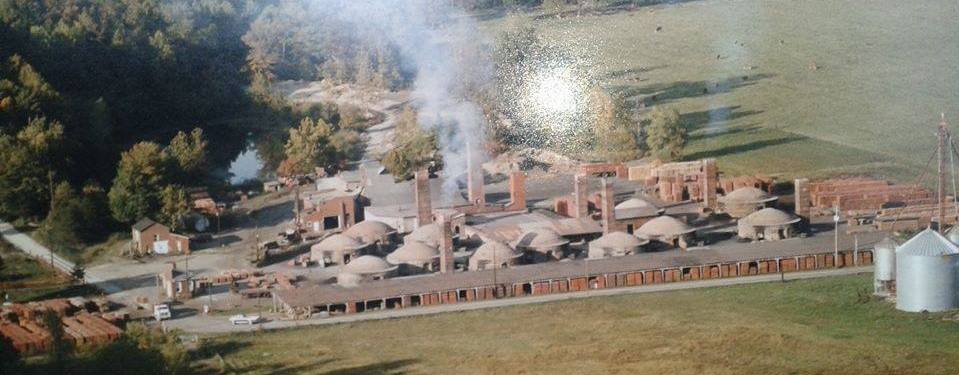
Over the years the Medora plant complex was built out to include 12 brick kilns with 7 tall complimenting square stacks. The round, domed (beehive) kilns had arched doors on two sides along with 10 small openings at the their base for feeding the kiln's fire. A long, covered storage shed was constructed parallel with the rail siding. A smaller shed sat in the middle of the complex. Still standing are a horse barn with an employees changing and shower area, a 2-holer frame outhouse, a machine shop and power plant building, walls of another brick building, and the small office.
The large frame shale processing and brick forming building were dismantled after the plant ceased operation. The mechanicals and equipment were taken to other brick plants in Indiana.
The Last Years of Operation
In the 1970s the Environmental Protection Agency (EPA) came in and required reduction in smoke to improve air quality. They insisted on 4 stokers per kiln at a cost of $25,000 per kiln. These 5’ x 5’ stoker boxes were built inside the kilns and were fed steadily by machine such that the visible smoke was largely eliminated. But these cut only visible emissions. The brick plant’s cost for compliance on their 12 kilns was $300,000 and the price of brick was raised $13 per 1000 as a result. Other plants around the country were switching to gas heat to burn their product.
In 1990 the company's 750 shares were held about 22 stock holders ranging in age from 60-87.
There was dissension within the board as to whether to close the plant or not. And in the end, production stopped just after Thanksgiving 1990 and the corporation was closed out officially January 31, 1992.
Superintendent Bernard Gray said perhaps the plant should have never closed but there was just no interest in keeping it going among the aging stockholders or their children.
It was mentioned that some if not all of Medora's brick making machinery and equipment after its closing went to a brick plant in Brazil, Ind. near Terre Haute.